



Plumber in Milpitas, CA
Sewer lines, water heaters, leaks, and repipes for homes from the valley floor to the Milpitas hills.





Milpitas Homes Get a Plan Built for Their Side of Town
Milpitas runs two separate water systems and has some of the most varied housing in the South Bay, from 1950s tracts to hillside homes to new townhomes near the transit center. We ask where you live before we quote, because it changes what we look for first.
Your call goes to our South Bay line and a crew that works Milpitas every week.
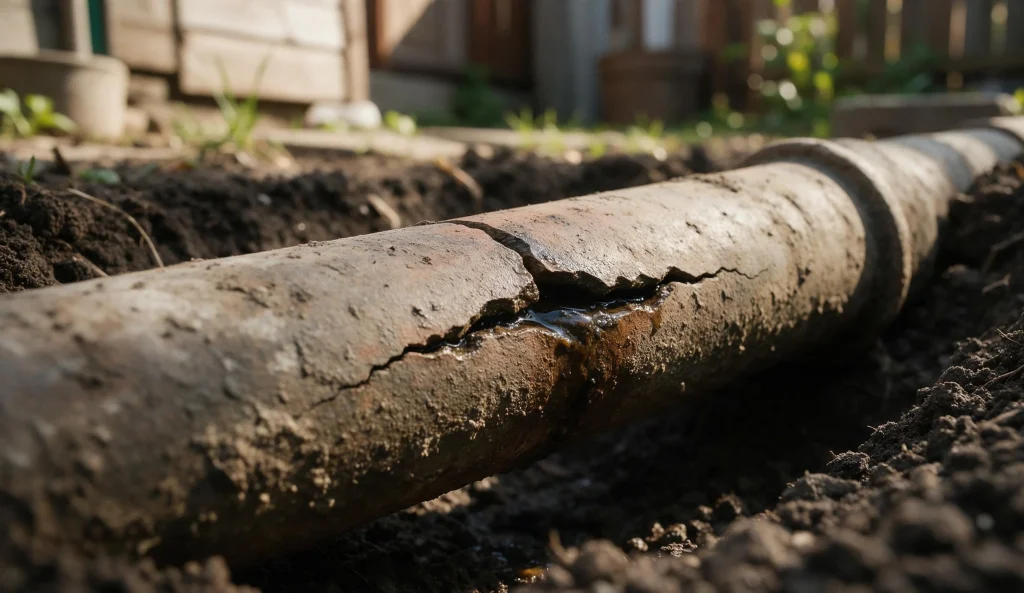
What Plumbing in Milpitas Actually Looks Like
Two Water Systems That Never Mix
Milpitas buys water from two wholesalers and keeps them apart under normal operation. San Francisco Public Utilities Commission supplies Hetch Hetchy and local Sunol Valley water to the eastern parts of town and the hills. Valley Water supplies treated Delta and reservoir water to the area west of I-880 and the southwest corner of the city.
The difference shows up in hardness. In the City’s 2024 report, the SFPUC supply averaged 57 milligrams per liter, about 3.3 grains per gallon, which is soft. The Valley Water supply averaged 110.5 milligrams per liter, about 6.5 grains per gallon, which is moderately hard. Two homes a mile apart can run on different water for their entire lives, which is why we look inside the water heater before recommending a flush schedule or a softener.
The House Sewer Is Yours, Including the Street Cleanout
In Milpitas, the house sewer runs from the building to the property line, and the property line cleanout is part of it. That whole section belongs to the owner. The City maintains the main line in the street.
There is one useful backstop. If a stoppage cannot be cleared by rodding or routine cleaning from the house side, the City will attempt to clear it through the street cleanout, provided one exists. Homes without a property line cleanout lose that option, so it is worth adding one during any lateral repair.
Ground That Moves
The California Geological Survey has mapped zones of required investigation for liquefaction and landslides within Milpitas, and much of the valley floor sits on clay soils that swell when wet and shrink when dry. Buried pipe takes that movement every season.
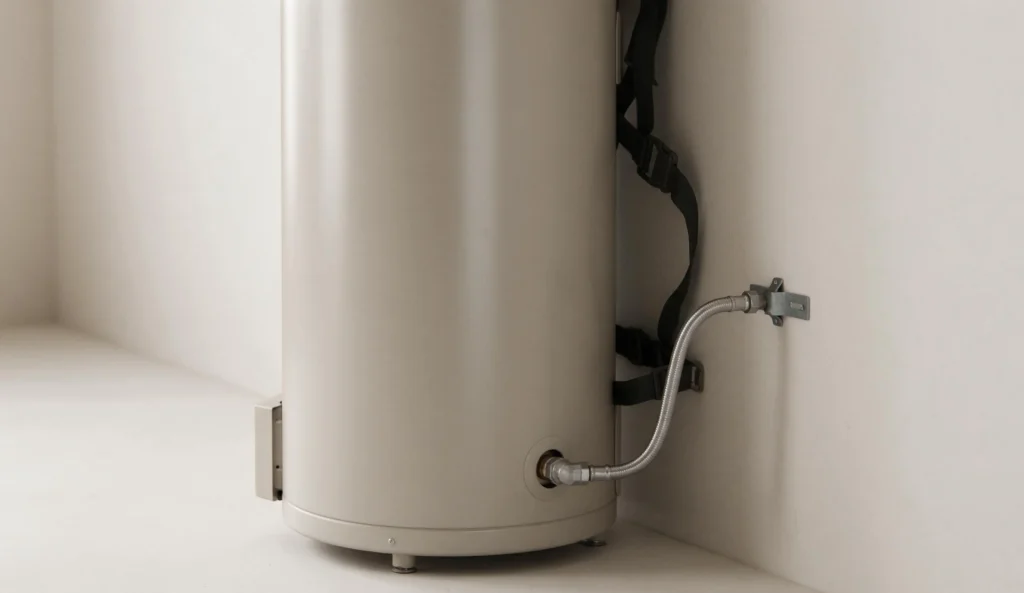
For plumbing, that means joints that separate in older clay and cast iron laterals, and supply lines that crack where they enter the slab. It also makes seismic water heater straps and flexible gas connectors more than a code checkbox. We camera the lateral before quoting a sewer repair, so the plan matches what the ground has actually done to the pipe.
Your Pipes by Neighborhood Age
The tracts built in the 1950s and 1960s around Calaveras Boulevard and Sunnyhills commonly have galvanized supply, cast iron drains, and clay sewer laterals. Repiping and lateral replacement are the large jobs in these homes.
Hillside homes from the 1970s and 1980s usually have copper supply and longer, steeper sewer runs. Pressure regulators matter more here, since elevation changes the pressure arriving at the house.
The townhomes and condos built since the 2000s near the Great Mall and the transit center have PEX supply and modern drains. Calls there tend to involve water heaters, fixtures, and shared lines that serve more than one unit.
Milpitas Neighborhoods We Serve
We work all of Milpitas, ZIP code 95035.

Sunnyhills
Spring Valley Heights
Main Street and Downtown
Transit Area near the Great Mall
Calaveras Boulevard corridor
Plumbing Services in Milpitas
Water Heater Repair & Installation in Milpitas
Tank and tankless units, sized to the house and installed to code with seismic straps and proper venting.
Leak Detection in Milpitas
Electronic and thermal location, including lines under a concrete slab. We find it before we open anything.
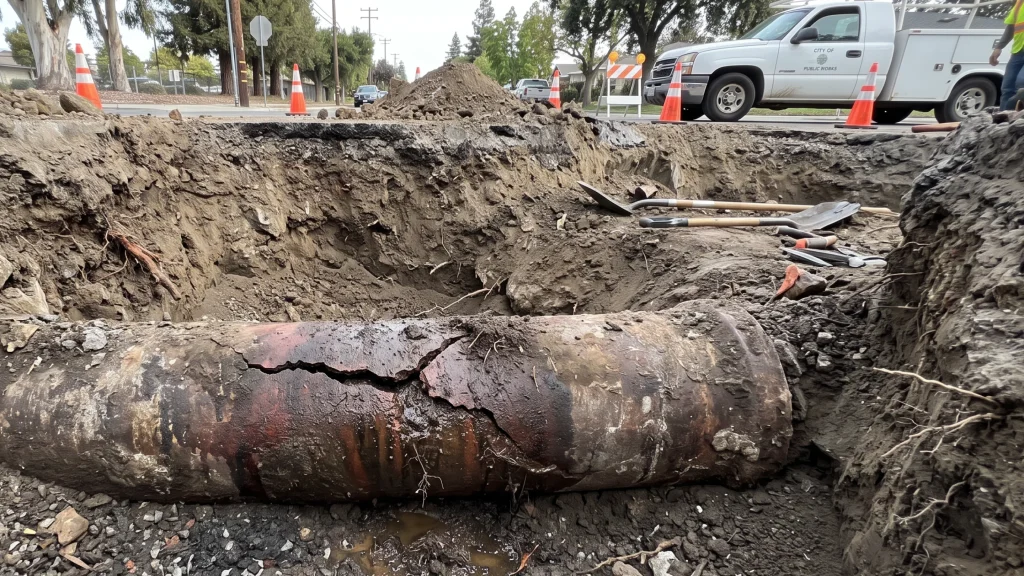
Sewer Line Repair & Replacement in Milpitas
Camera inspection first, then repair or pipe bursting where the line qualifies.
Drain Cleaning in Milpitas
Hydro jetting and cabling for kitchen, laundry, and main line backups.
Whole-Home Repiping in Milpitas
PEX or copper, for galvanized supply that has run its course or copper that keeps springing leaks.
Water Line Repair & Replacement in Milpitas
Service line breaks between the meter and the house.
Gas Line Installation & Repair in Milpitas
Permitted, pressure-tested, inspected.
Appliance Connections & Valve Replacement in Milpitas
Dishwashers, refrigerators, washing machines, and the shutoff valves behind them.


Why Milpitas Calls 5-Star Plumbing
In-House Licensed Technicians
Upfront Flat-Rate Pricing
Expert Permit Management
1-Year Labor Warranty
MILPITAS PLUMBING QUESTIONS
- How do I find out which water supply my home gets?
Check the City of Milpitas water supply map. It shows the SFPUC and Valley Water service areas, and your address falls entirely in one or the other. That does not change from month to month.
- Can tree roots really break a sewer line?
No, not a sound one. Roots enter through joints and cracks that already exist, then grow and widen them until the line clogs or collapses. In older clay laterals with dozens of joints, that happens often. A camera inspection shows whether you are dealing with roots in a joint or a broken section.
- My water pressure changed after I moved uphill. Is that normal?
Yes, it is. Elevation changes the pressure arriving at a house, and hillside homes often depend on a pressure regulator to stay in a safe range. If pressure swings or fixtures bang when they shut off, the regulator is the first thing we test.
- Do you work on townhomes with shared plumbing?
Yes, we do. Before any repair, we confirm with you or your association which lines serve only your unit and which are shared. Shared lines often need association approval and notice to neighbors, and we plan the shutoff around that.
- Do I need a permit to replace a sewer lateral in Milpitas?
Yes, you do. Lateral replacement is permitted and inspected work, and any digging in the street or sidewalk also needs City approval for the public right-of-way. We file the paperwork and schedule the inspections as part of the job.

Need a Plumber in Milpitas?
Tell us what is going on. You get a clear plan and a flat-rate price before any work starts.