

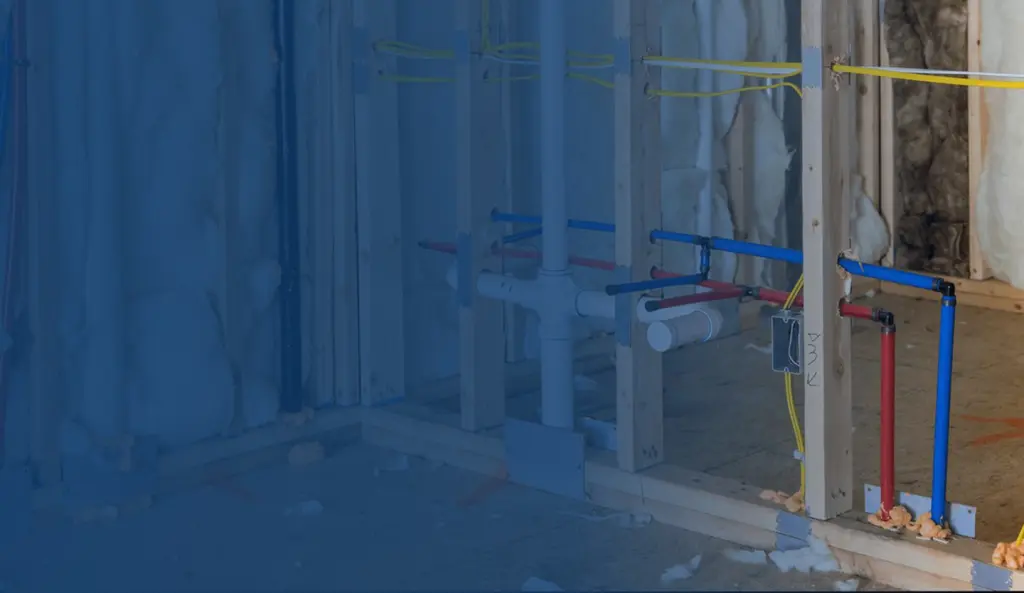

PEX Repiping in Sacramento County
When your home’s water lines are past the point of patching, 5-Star Plumbing Inc replaces the entire supply system with flexible PEX. We map every run before we start, keeping wall openings to the minimum the job requires. CSLB #1038276, licensed since 2018.



Signs Your Home Is Ready for a Repipe
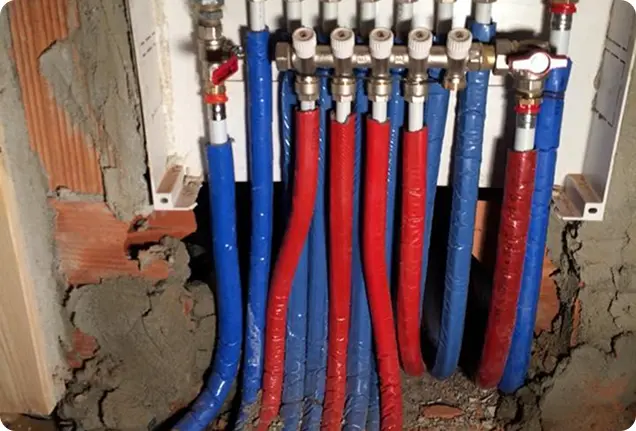
A single leak is a repair. A pattern is a system telling you the pipes themselves have failed. If you recognize more than one of these, a repipe is almost always the cheaper path than another year of spot fixes:
- Rusty, cloudy, or metallic-tasting water, especially first thing in the morning
- Water pressure that has slowly dropped across the whole house, not just one faucet
- Pinhole leaks that keep showing up in different spots
- Galvanized steel or polybutylene pipe, both of which fail from the inside out
- Pipes that are 40 or more years old and have never been replaced
- Hot water that takes a long time to arrive and never runs truly hot
Galvanized and polybutylene are the two materials we replace most often in Sacramento County homes. Both corrode or degrade internally long before the damage is visible on the wall.
PEX vs. Copper: How We Help You Choose
Both are quality materials, and we install both. Here is how they compare so the choice fits your home and budget.
PEX
Copper
For most Sacramento County homes we recommend PEX, because it shrugs off the region’s hard water and needs fewer access holes to install. Copper remains the right call when a homeowner specifically prefers it or code requires it for a given run.
Whole-House or Partial: What Gets Replaced
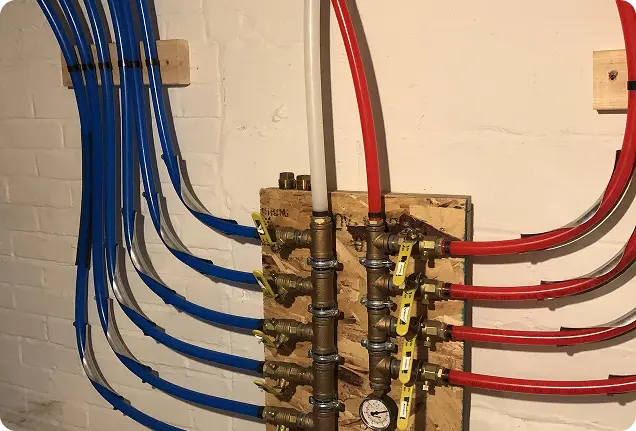
A repipe replaces the pressurized supply lines that carry fresh water to every fixture in your home: sinks, showers, tubs, toilets, the water heater, laundry, and outdoor spigots. It does not touch drain or sewer lines, which are a separate system on a separate quote.
Most projects are whole-house, replacing every supply run at once so you never revisit the same walls twice. Partial repipes are possible when only part of the system has failed, for example, the original galvanized lines in an older wing while a newer addition stays in place. During the free assessment we walk the home, locate every run, and tell you honestly which approach makes sense for your condition and budget.
Why 5-Star
Why Homeowners Choose 5-Star for Repiping
In-House Licensed Technicians
Upfront Flat-Rate Pricing
Expert Permit Management
1-Year Labor Warranty
Trusted by 5,600+ Sacramento County Homeowners
5-Star Plumbing Inc holds 4,330+ Google reviews, 1,170+ on Yelp, and 120+ on Facebook. Filter the widget below to read what homeowners say about their repipe.


Repiping That Fits Your Budget
A whole-house repipe typically runs between $4,500 and $12,000 depending on home size, fixture count, foundation type, and whether you choose PEX or copper. You get the exact number in writing after we assess your home, and that written estimate is your final price. Through Wisetack you can spread the cost into monthly payments and check your options in minutes with no impact on your credit score.
Repiping Questions, Answered
- How long does a whole-house repipe take?
Most single-family homes are done in two to three days. We restore water each evening so your household is never left without it overnight.
- Can my family stay in the home during the repipe?
Yes. We work one area at a time and keep at least one bathroom functional. Some families prefer to be out during the busiest day, but it is a preference, not a requirement.
- Will repiping improve my water pressure?
In most cases, noticeably. Old corroded lines lose flow capacity as buildup narrows them from the inside. Fresh full-diameter pipe restores strong, even pressure throughout the house.
- Do you replace drain and sewer lines during a repipe?
No. A repipe covers water supply lines only. Drain and sewer work is a separate system with different materials, and we quote it separately if you need it.
- Is PEX approved under California plumbing code?
Yes. PEX has been recognized in the California Plumbing Code since 2009 and is used in new construction across the state. Every repipe we complete is permitted and passes inspection under our license.
- Does PEX affect the taste or safety of my water?
No. Certified PEX is manufactured for potable water and carries NSF certification. Any faint taste from a brand-new pipe clears within a few days of normal use.
- What happens to the walls where you access the pipes?
We plan runs to keep access openings small and as few as possible. We close and patch the openings we make. The exact scope of wall finishing is spelled out in your written estimate before work begins, so there are no surprises.
What to Expect: From Estimate to New Pipes
Free in-home assessment
Permit filed
Repipe day
Close-up and cleanup
Inspection
Warranty
Ready to Stop Patching and Start Fresh?
Get a flat-rate quote for a full PEX repipe across Sacramento County. One price, one permit, one warranty, no subcontractors.