

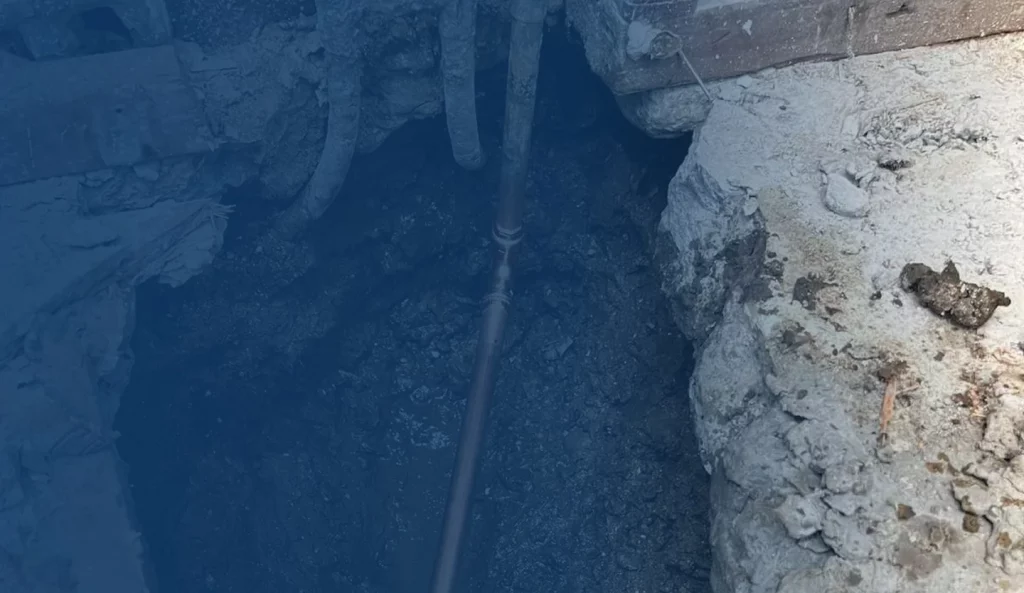

Slab Leak Detection in Sacramento County
A leak under your foundation doesn’t show up as a puddle. It shows up as a warm patch on the floor, a water bill that keeps climbing, and a slab that’s quietly eroding underneath. 5-Star Plumbing Inc. pinpoints the exact leak beneath your concrete using acoustic and thermal equipment, so the floor gets opened in one precise spot instead of guesswork. As we are a full plumbing company, the same team can make the repair once the leak is located. CSLB #1038276, licensed in both general building (B) and plumbing (C36) since 2018.
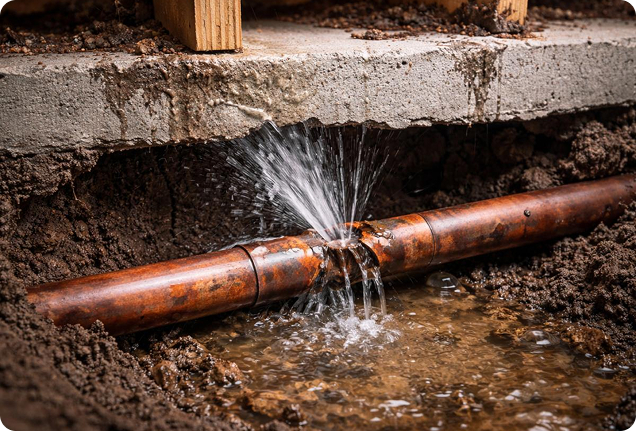
Is There Water Running Under Your Floor?
A slab leak hides in the one place you can’t inspect: inside or beneath the concrete your house sits on. By the time it’s obvious, water has often been running for weeks. These are the signs homeowners notice first:
- A warm or hot spot on the floor, often the clearest sign of a hot-water slab leak
- A water bill that jumped with no change in how you use water
- The sound of running water when every faucet in the house is off
- Your water meter creeping forward while nothing inside is running
- Cracks appearing in the slab, tile, or flooring that weren’t there before
- A damp, musty smell or moisture wicking up baseboards and carpet edges
- Low water pressure that faded gradually over weeks, not overnight
Sacramento’s expansive clay soil makes slab leaks especially common here. It swells in the wet months and shrinks in the dry ones, and that constant movement stresses the copper lines run in or under the foundation. Homes built before the 1990s with copper under the slab sit in the highest-risk group. The longer a slab leak runs, the more it erodes the soil supporting your foundation, so finding it early is what keeps a plumbing problem from becoming a structural one.
Not Every Slab Leak Is the Same
Where the leak is and which line failed changes how it shows up and how we find it. These are the three we see most often under Sacramento homes.
Hot-Side Pressure Leaks
Cold-Side Pressure Leaks
Drain-Line Slab Leaks
From First Suspicion to a Located Leak
No guesswork, no open-ended timelines. Here’s exactly how we track down a slab leak.
Confirm the Leak Is Real
Pinpoint It Without Digging
Explain What We Found
Repair, If You Want Us To
Document Everything
The Tools That See Through Solid Concrete
Finding a leak under a slab isn’t about a bigger wrench. It’s about equipment that can locate water through four inches of concrete before we ever pick up a saw. Here’s what we bring to a slab leak.
Acoustic Listening Devices
Thermal Imaging Cameras
Electronic Line Tracing
Moisture Meters


Why Sacramento Homeowners Call Us to Find Their Slab Leaks
Precision Before We Cut
Detection and Repair, One Team
Flat-Rate, Approved in Advance
Documentation Your Adjuster Needs
Financing & Referral Program

Flexible Payment Options



Our Referral Program
Flexible Payment Options
A Slab Leak Shouldn’t Wait for Payday
The longer a slab leak runs, the more it costs in water, in wasted energy reheating hot water that’s draining into the ground, and in the soil erosion under your foundation. Financing through Wisetack lets you deal with it now and pay in comfortable monthly installments.
- Loans from $500 to $25,000: Covers detection, repair, and any rerouting needed.
- No Impact on Your Credit Score: A soft pull to check your options.
- Approval in Under 60 Seconds: Apply from your phone while we’re running the detection.
Offer-строки (site-wide, как в прототипе): оставляем существующие (Any Plumbing Job 20% OFF, Senior 10%, Military & Veterans 10%, site-wide $99 Main Line Drain Cabling).
Slab Leak Questions, Straight Answers
- What actually causes a slab leak?
A few things, often working together. Copper lines corrode from the inside over years, especially with Sacramento’s water chemistry. Pipes rub against rebar, rock, or the concrete itself and wear through at a friction point. And our clay soil expands and contracts with the seasons, flexing the lines until a weak spot fails. Older homes with copper run under the foundation are the most vulnerable.
- Is a slab leak an emergency, or can it wait?
It’s not a burst-pipe emergency, but it’s not something to sit on either. A slab leak runs continuously, so every day adds to your water bill and, more importantly, keeps saturating and eroding the soil that supports your foundation. What starts as a plumbing issue can become a structural one if it’s ignored for months. Sooner is always cheaper.
- Does it matter whether it's a hot-water or cold-water slab leak?
Yes, for detection. A hot-side leak usually reveals itself as a warm floor and often a higher energy bill, and thermal imaging finds it quickly. A cold-side leak is silent, with no warm spot, so it takes acoustic equipment and pressure testing to isolate. Knowing which line failed shapes how we locate it.
- How much water does a slab leak actually waste?
More than most people expect. Even a small, steady slab leak can waste thousands of gallons a month, which is why the first clue is often a water bill that jumped for no obvious reason. That waste is also why a detection call usually pays for itself quickly once the leak is found and stopped.
- Can a slab leak damage my foundation?
Over time, yes. The water erodes and softens the soil your slab rests on, and as that support shifts, you can see new cracks in the slab, tile, or drywall and doors or windows that stop closing right. Locating the leak early is what keeps it from turning into a foundation problem.
- If I've had one slab leak, am I likely to get more?
Sometimes. If the leak came from general corrosion or aging copper rather than a single isolated spot, other sections of the same piping may be near failure too. In that case, we’ll tell you honestly what we’re seeing so you can weigh a spot repair against repiping instead of chasing one leak after another.
Think You Have a Slab Leak? Let’s Find It.
Call us 24/7 or request a quote online. Same-day slab leak detection across Sacramento County, from a licensed team with the equipment to pinpoint it fast.