

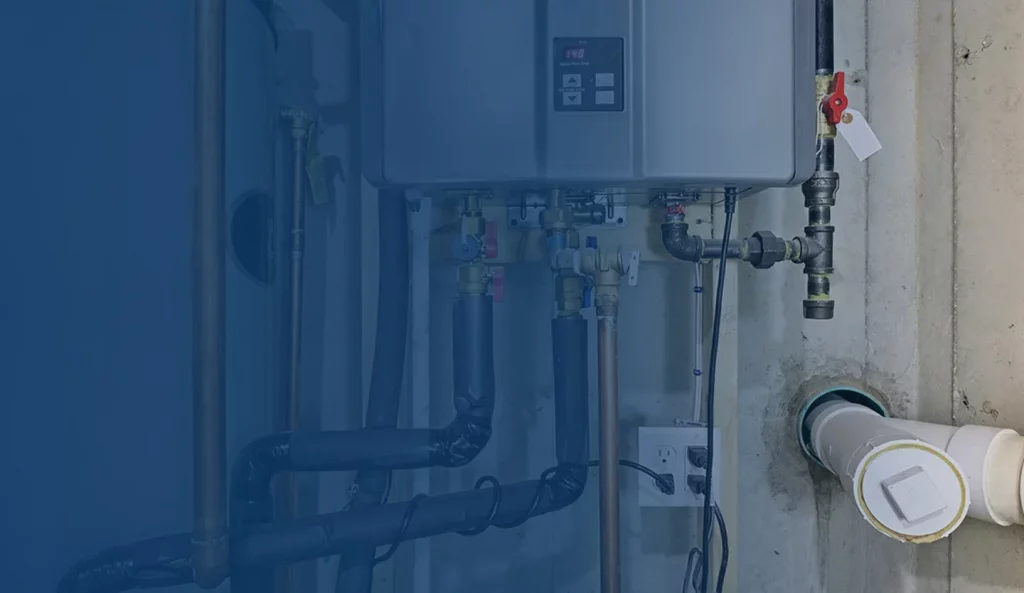

Tankless Water Heater Installation in Sacramento County
5-Star Plumbing Inc installs and converts to gas and electric tankless water heaters across Sacramento County. We come out for a same-day estimate on most calls, quote a flat rate before any work starts, and pull all city permits so your installation passes inspection and your home insurance stays valid. CSLB #1038276, a licensed C-36 plumbing contractor since 2018.



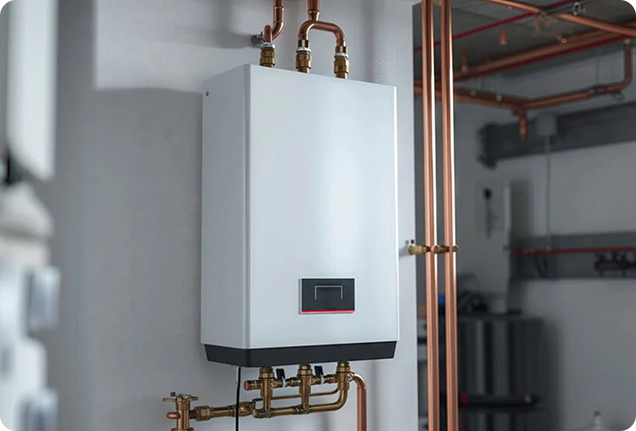
Tired of Running Out of Hot Water?
Homeowners usually start thinking about tankless for one of a few reasons. If any of these sound familiar, it may be time to make the switch:
- The hot water runs out when two people shower back to back
- Your tank eats up floor space in the garage or a closet you would rather use
- You are tired of paying to keep 50 gallons hot around the clock
- Your current tank is 10+ years old and due for replacement anyway
- You want lower energy bills and a system that lasts longer
- You are remodeling and want to free up space with an on-demand unit
Tankless is a great fit for a lot of Sacramento homes, but not every one. The right answer depends on your gas line, your venting, and how much hot water you actually use at peak. We will look at all three and tell you honestly whether tankless makes sense for your house or whether a standard tank is the smarter spend.
Considering an electric unit? Read how many amps a tankless water heater uses before you compare models.
Gas vs. Electric Tankless: Which Fits Your Home?
Tankless units are sized by flow rate, measured in gallons per minute (GPM). The right choice comes down to how much hot water you run at once, what your home is already set up for, and whether you have gas service. Here is how the two main options compare.
Feature
Gas Tankless (Natural or Propane)
Electric Tankless
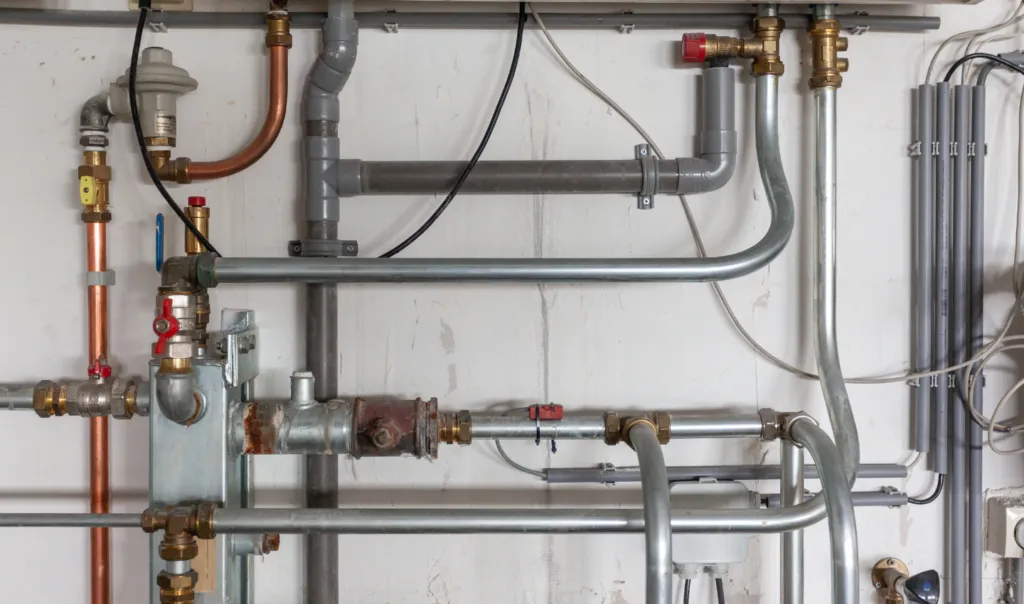
Sacramento’s Hard Water Is Hard on Tankless Heaters
A tankless unit heats water by pushing it through a narrow heat exchanger. That design is what makes it so efficient, and it is also what makes it vulnerable to Sacramento’s hard water. Every gallon leaves behind calcium and magnesium that harden into scale inside those passages. Left alone, scale restricts flow, forces the unit to work harder, triggers error codes, and cuts years off its life. Most manufacturers also require documented descaling to keep the warranty valid.
That is why we recommend an annual descaling flush for every tankless system we install. To make future maintenance quick and inexpensive, we install isolation valves at the time of installation, so a flush takes minutes instead of hours. If you want to stop scale at the source, we can also walk you through whole-home water softening, which protects your tankless unit along with every other fixture in the house.
What to Expect: From Call to Hot Water
No guesswork, no open-ended timelines. Here is exactly how a tankless installation works with 5-Star Plumbing.
Diagnosis & Sizing
Flat-Rate Quote
Professional Installation
Permits & Code Compliance
Cleanup & Haul-Away
Why Sacramento Homeowners Trust Us With Their Hot Water

In-House Licensed Technicians

Upfront Flat-Rate Pricing

Expert Permit Management

1-Year Labor Warranty


Financing & Referral Program

Flexible Payment Options



Our Referral Program
Flexible Payment Options
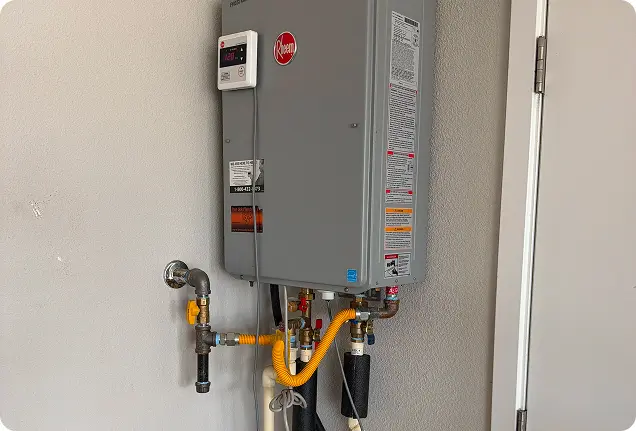
Equipment Warranty Support
When we supply and install your tankless water heater, you do not have to deal with the manufacturer warranty on your own. During the first year after installation, we handle it with you:
- We diagnose the problem and confirm whether it falls under the manufacturer warranty.
- We contact the manufacturer and assist with or submit the warranty claim when applicable.
- We source the warranty parts and complete the repair, or the replacement if the manufacturer authorizes one.
In most covered cases there is no extra labor charge. If a case does involve a charge, we explain it before any work starts. The installation itself is covered separately: if a problem caused by our workmanship appears within one year of completion, we return and address it under our workmanship warranty.
If you bought the tankless water heater yourself, its warranty is between you and the manufacturer. We can still help with diagnosis and the claim, and we tell you about any charge before we begin. Full terms are on our warranty page.
Tankless Questions, Straight Answers
- How do I know what size tankless heater I need?
Sizing comes down to flow rate, measured in gallons per minute (GPM). We add up the fixtures you would realistically run at the same time, a shower, a sink, the dishwasher, and factor in Sacramento’s incoming water temperature. Most homes land between 6 and 10 GPM. We calculate this during the estimate so you are not undersized or paying for capacity you will never use.
- Do I need to upgrade my gas line for a tankless water heater?
Often, yes. A gas tankless unit draws far more gas than a standard tank when it fires, so many homes need an upgraded 3/4-inch line to feed it properly. We check your gas supply during the diagnosis and include any line work in your flat-rate quote, so there is no surprise cost mid-project.
- Gas or electric tankless, which is better for my home?
It depends on your hot water demand and what your home is already set up for. Gas units deliver higher flow and suit larger households but need venting and often a gas line upgrade. Electric units install more simply and are vent-free but usually need a heavy electrical upgrade and handle lower demand. We look at both and recommend what fits your home and budget.
- How often does a tankless water heater need descaling in Sacramento?
Once a year here. Sacramento’s hard water leaves mineral scale inside the heat exchanger, and that buildup is the single biggest cause of reduced flow, error codes, and early failure. Annual descaling also keeps your manufacturer warranty valid, since most brands require documented maintenance.
- Will a tankless heater really give me endless hot water?
As long as it is sized correctly, yes. A properly matched unit heats water continuously, so you will not run out mid-shower the way you do with a tank. The key is sizing for your peak demand, which is exactly why we measure your GPM needs before recommending a model.
- Can you convert my old tank water heater to tankless?
Yes, and it is one of our most common jobs. A conversion usually involves new venting, a gas line check, mounting the unit, and sometimes electrical work, so it takes longer than a straight tank swap. We handle the full conversion, pull the permits, and haul your old tank away for recycling.
Ready for Endless Hot Water?
Get a flat-rate quote from a licensed Sacramento County plumber. We will size it right the first time.