

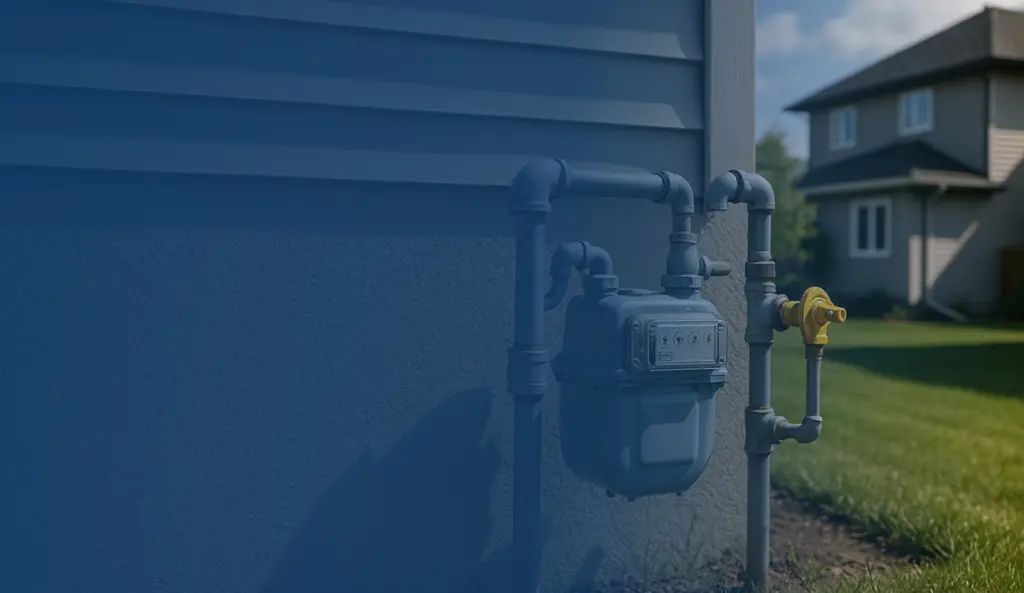

Gas Leak Repair in Sacramento County
A suspected gas leak is not something to wait on. 5-Star Plumbing Inc locates and repairs gas line leaks across Sacramento County. Instead of guessing, we run a pressure test to pinpoint the exact source, so we open up only what needs opening and you get a clear answer fast. CSLB #1038276, licensed since 2018.



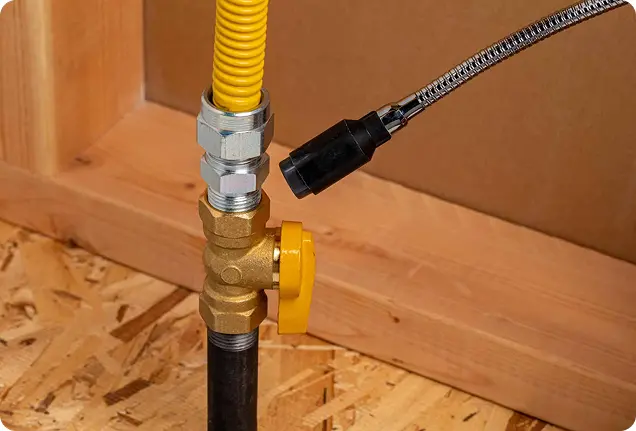
If You Smell Gas Right Now, Do This First
Before you call anyone, including us, your safety comes first. A gas leak can be dangerous, and a few simple steps protect your household while help is on the way.
- Leave the house. Get everyone, including pets, outside and away from the building.
- Do not touch anything electrical. No light switches, no appliances, no garage door opener. A single spark is enough.
- Do not use open flame. No matches, no stove, no candles.
- Do not use your phone indoors. Make calls only once you are safely outside.
- Call PG&E or 911 from outside. Report the leak to your gas utility right away. They will make the area safe and shut off the gas at the meter if needed.
- Then call us. Once the immediate danger is handled, we find the source and make the permanent repair.
Utilities respond to the emergency and secure the meter. We handle the repair on your side of the line so the gas can be safely restored.
How to Tell You Have a Gas Leak
Some leaks announce themselves. Others are slow and easy to miss. Any one of these is worth taking seriously:
A rotten egg or sulfur smell
A hissing or whistling sound
A gas bill that jumped
Dead or discolored grass
A pilot light that keeps going out
Physical symptoms indoors
The smell is the clearest sign, but not every leak is strong enough to smell, especially outdoors or underground. That is why we confirm with a pressure test rather than a nose.
How We Find and Fix a Gas Leak
Guessing at a gas leak is dangerous and expensive. We locate the exact point before we cut into anything.
Pressure test the system.
Pinpoint the source.
Repair or replace the section.
Retest before restoring.
Permit and inspection.
Why 5-Star
Why Homeowners Trust Us With Gas Work
In-House Licensed Technicians
Upfront Flat-Rate Pricing
Expert Permit Management
1-Year Labor Warranty
Trusted by 5,600+ Sacramento County Homeowners
5-Star Plumbing Inc holds 4,330+ Google reviews, 1,170+ on Yelp, and 120+ on Facebook. Read what homeowners say about their gas line service below.


Gas Leak Questions, Answered
- Should I call PG&E or a plumber first for a gas leak?
Call PG&E or 911 first. The utility comes first because they respond to the emergency and can shut the gas off at the meter to make the area safe. Once the immediate danger is handled, we find the source on your side of the line and make the permanent repair the utility does not do.
- Can you find a leak if I cannot smell anything?
Yes, we can. Not every leak is strong enough to smell, especially underground or outdoors. We run a pressure test on the gas line, which reveals whether the system is losing gas and helps us pinpoint where, without relying on odor.
- Do gas repairs require a permit?
Yes, they do. Gas line work goes through the City’s Building Division and is inspected under our license. We handle the filing and the inspection so the repair is documented, to code, and safe to sign off.
- How quickly can you come out for a suspected gas leak?
We respond 24/7 for gas emergencies. Once the area is made safe by the utility, we prioritize getting to you to locate and repair the leak as fast as possible.
- Is it safe to stay in my home with a suspected gas leak?
No, it is not. Leave the house with everyone inside, avoid anything electrical or any open flame, and call your utility or 911 from outside. Do not return until the gas has been confirmed safe.
- Will you replace the whole gas line or just the leaking part?
It depends on what the pressure test and inspection show. In many cases we repair or replace only the failed section. If the line is corroded or compromised along its length, we will explain why a larger replacement is the safer call before any work starts.
What to Expect on Your Gas Leak Repair Visit
Make the area safe
We locate the leak
Flat-rate quote
Repair and retest
Permit and inspection
Warranty
Suspect a Gas Leak? Do Not Wait.
If the area is already safe, call for 24/7 licensed gas leak repair across Sacramento County. We locate the source, repair the line to code, and confirm it holds before we leave.