The sewer line from your house to the street is buried, so nobody sees it until it backs up. A sewer camera inspection changes that. A plumber pushes a waterproof camera on a flexible cable through the line and records what it finds, foot by foot. You get video of the real problem instead of a guess, and you know whether the fix is a cleaning, a spot repair, or a new line before anyone digs.
When a Camera Inspection Makes Sense
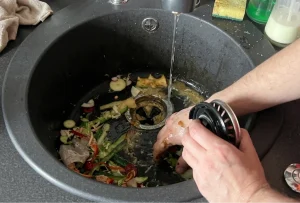
- The same drain keeps clogging. A clog that comes back after cleaning usually has a cause in the line, such as roots or a sag.
- Several drains are slow at once, or a toilet gurgles when the washer drains.
- Sewage smell or soggy spots in the yard above the line.
- You are buying a home, especially one built before the 1980s. A sewer line is one of the costliest repairs a buyer can inherit, and a standard home inspection does not include it.
- Before a remodel that adds a bathroom or puts new weight over the line.
- After a sewer repair, to confirm the new section is clean and properly aligned.
What the Camera Can Find
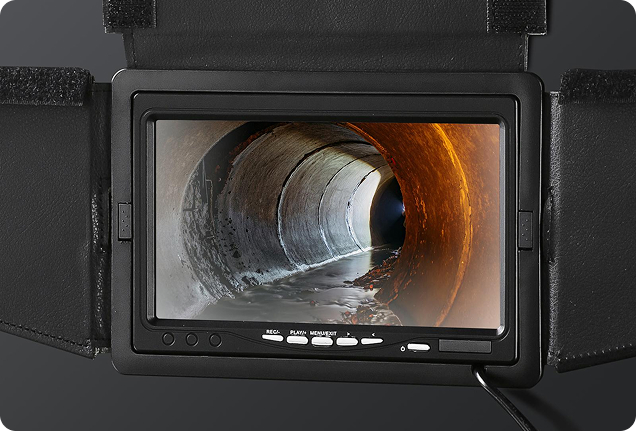
- Root intrusion. Fine roots or full root masses entering through joints. Common in older clay lines and near mature trees.
- Cracks and breaks. From soil movement, age, or roots widening a joint.
- Offset joints. Sections that have shifted so the pipe no longer lines up, which catches waste.
- Bellies. A section that has sagged and holds standing water. The camera shows it as a pool that does not drain.
- Grease and scale buildup that narrows the pipe.
- Collapsed or deformed pipe. Older Orangeburg fiber pipe, used in some mid-century homes, often flattens with age.
- Foreign objects such as wipes, toys, or construction debris.
- The pipe material and depth. Clay, cast iron, Orangeburg, ABS, or PVC, plus the depth at key points from a locator on the camera head.
How the Inspection Works
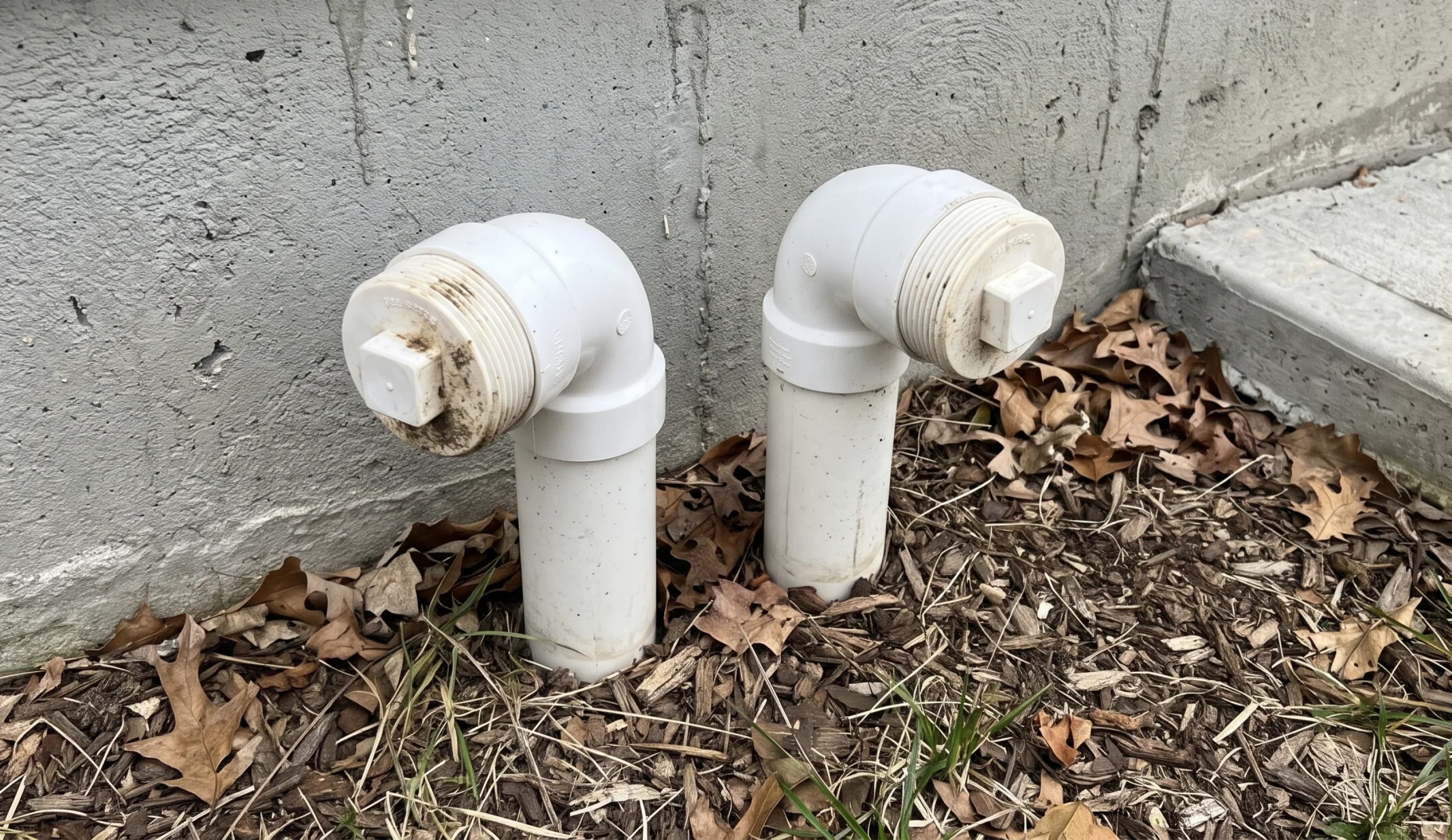
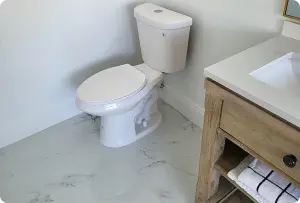
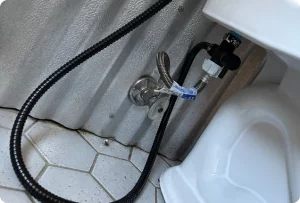
- Access. The camera goes in through a sewer cleanout, usually outside near the foundation. If there is no cleanout, it can sometimes go through a toilet opening or a roof vent. A home without a cleanout is a good candidate for one, because every future service call becomes faster. See our sewer cleanout installation service.
- The run. The plumber feeds the camera toward the street while watching a live monitor and noting the distance at each problem.
- Locating. A transmitter in the camera head lets the plumber mark the exact spot and depth on the ground above, so any repair opens one small area.
- The recording. You get the footage and an explanation of what it shows.
If the line is badly clogged, it may need to be cleared first so the camera can pass. In that case the cleaning and the inspection happen on the same visit.
What Happens After the Inspection
- Clean line, minor buildup: no repair needed, or a cleaning such as hydro-jetting.
- One damaged section: a targeted sewer line repair on that spot.
- Damage along much of the line: full sewer line replacement, by trenchless pipe bursting or open trench depending on the yard and the line.
Sewer Camera Inspection Questions, Straight Answers
How long does a sewer camera inspection take?
It depends on the length of the line. On average, the camera run takes up to 30 minutes, plus extra time if the line needs clearing first.
Do I need a camera inspection before buying a house?
Yes, for most older homes it is worth it. A general home inspection looks at visible plumbing only. The camera shows the buried line, and the footage can support a repair request or a price negotiation.
Will I get a copy of the video?
Yes, you will. The footage is yours to keep, along with notes on where any problems are and how deep the line runs.
Can a camera inspection damage the pipe?
No, it cannot. The camera head is smooth and the cable is fed by hand. If the line is collapsed, the camera simply stops at that point, and that tells us where the break is.
Related Guides
Want to See Inside Your Line?
You get the footage and a plain explanation of what it shows, before anyone digs. Learn more about our sewer line camera inspection in Sacramento.