

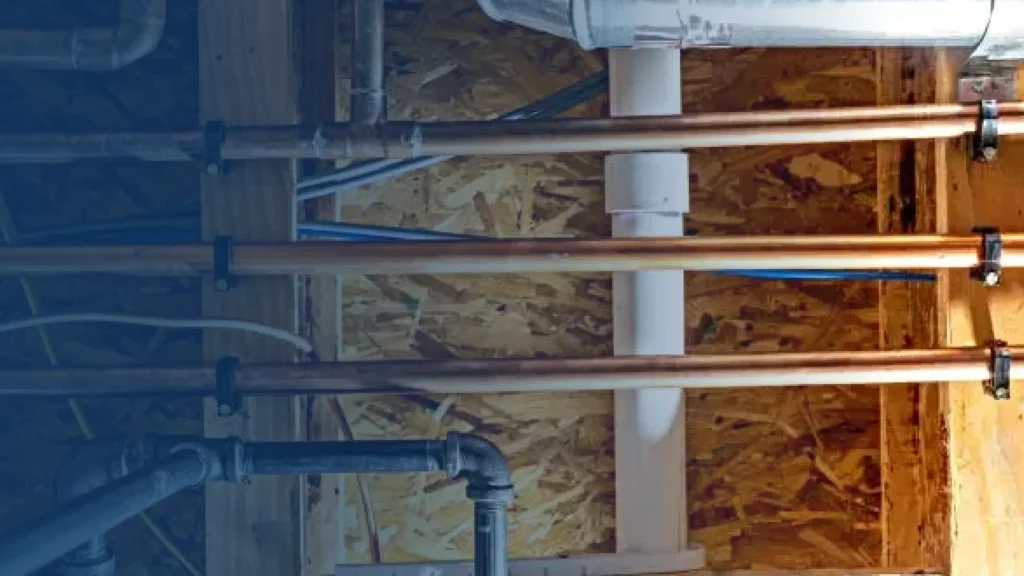

Copper Repiping in Sacramento, CA
Rigid copper supply lines for homeowners who want metal pipe and nothing else, planned run by run and bonded back to your electrical ground. CSLB #1038276.



Why Homeowners Choose Copper
Copper has carried drinking water in American homes for generations, and it is still the material many homeowners ask for by name. A new copper system is a long-term upgrade for the whole house.
- Rigid metal pipe that holds its shape and looks finished on exposed runs in a garage, basement, or utility wall
- Handles heat and direct sunlight, so it works on outdoor runs and next to the water heater
- Rodents cannot chew through it in attics and crawl spaces
- Matches the rest of the system in homes that are already plumbed in copper
- A material buyers and home inspectors recognize when the house goes up for sale
Comparing materials before you decide? Our PEX repiping page explains the alternative. This page covers what a copper repipe involves.
What a Copper Repipe Involves
A copper repipe replaces every pressurized supply line in the house: the runs to sinks, showers, tubs, toilets, the water heater, laundry, and hose bibs. Drain and sewer lines are a separate system and are not part of this job.
More Access, Planned Ahead
Copper comes in straight lengths, and every change of direction needs a fitting. That means more wall and ceiling openings than a PEX job. We map each run before we start so the openings land where they are easiest to close, and the patch scope is written into your estimate.
Lead-Free Joints
Federal law has required lead-free solder on drinking water lines since 1986. Every joint we make on a supply line meets that rule, and the whole system is pressure tested before any wall is closed.
Bonding and the Water Heater
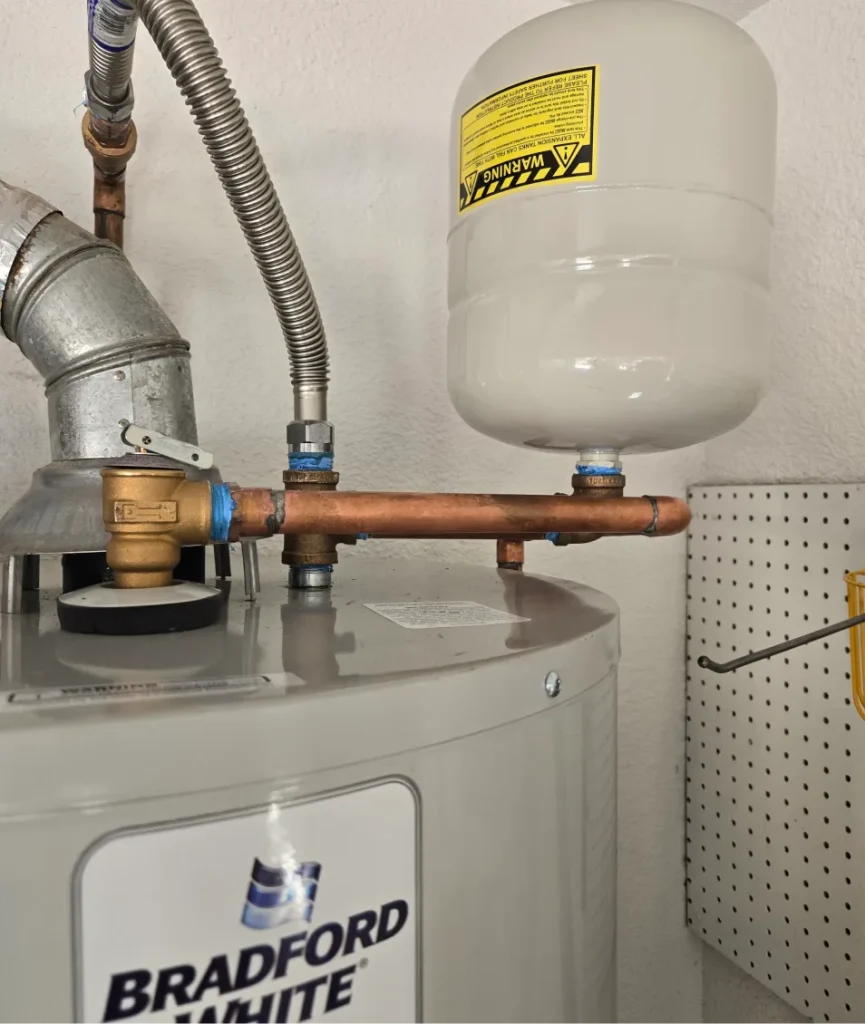
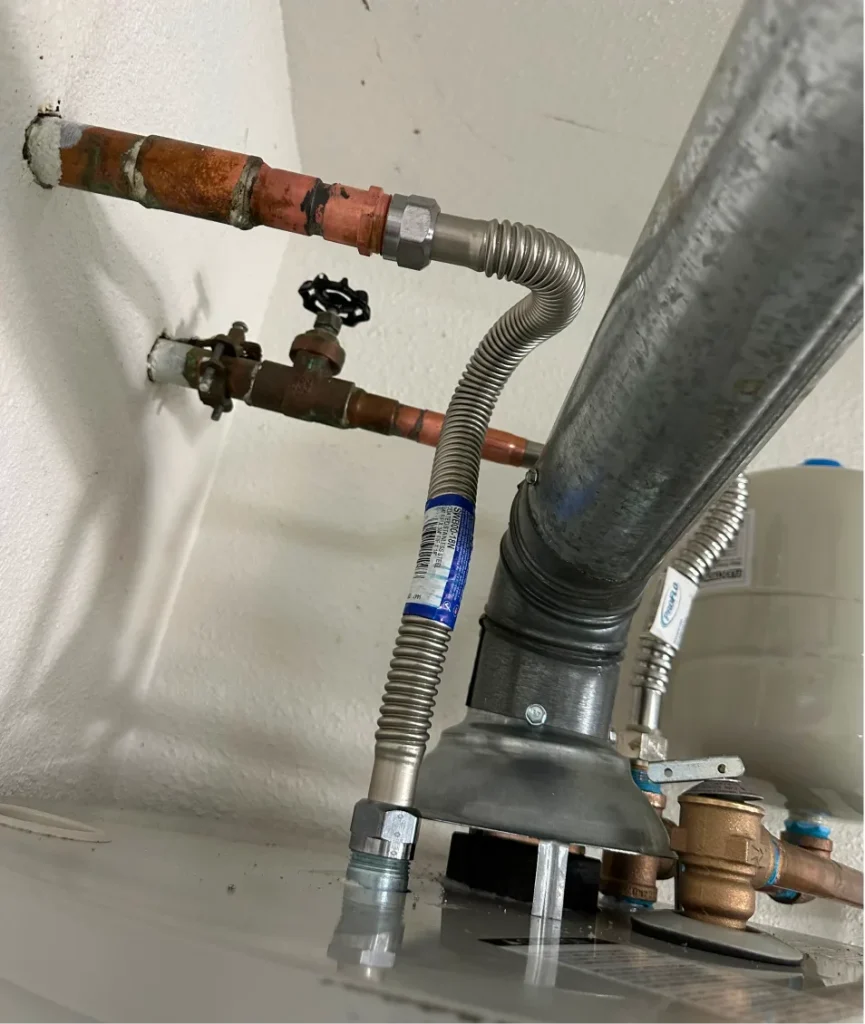
In many older homes the metal water pipe is part of the electrical grounding path. When we replace it, we restore that bond, and our in-house electrician handles it if the panel side needs work. At the water heater we install dielectric connections so the copper and the steel tank do not corrode each other.
For the full picture of when a home needs new supply lines at all, see whole-home repiping.
Why 5-Star
Why Homeowners Choose 5-Star for Copper Repiping
In-House Licensed Technicians
Upfront Flat-Rate Pricing
Expert Permit Management
1-Year Labor Warranty
Trusted by 5,600+ Sacramento County Homeowners
5-Star Plumbing Inc holds 4,330+ Google reviews, 1,170+ on Yelp, and 120+ on Facebook. Read what homeowners say about their repipe below.


Copper Repiping That Fits Your Budget
A copper repipe is a long-term investment in the house, so the written estimate matters. You get one flat price after we assess your home, and that price is final. Through Wisetack you can spread the cost into monthly payments and check your options in minutes with no impact on your credit score.
Copper Repiping Questions, Answered
- How long does a copper repipe take?
It depends on the size of the house and the number of fixtures. You get the schedule in writing with your estimate, and we restore water at the end of each workday.
- How long does copper pipe last?
It lasts for decades. Copper supply pipe is commonly expected to serve 50 years or more in normal household use. Water chemistry and installation quality affect that number, which is why we use lead-free joints, dielectric connections at the water heater, and a full pressure test.
- Can you repipe only part of the house in copper?
Yes, we can. When one area has failed and the rest of the system is sound copper, a partial repipe keeps the whole house on one material.
- Can you mix copper and PEX in the same house?
Yes, we can. We join the two with transition fittings approved for the purpose. It is common in partial repipes and in homes where only exposed runs need to stay copper.
- Do I need a permit for a copper repipe?
Yes, you do. A repipe goes through the City’s Building Division, and the inspector checks the pressure test before the walls are closed. We file the permit and meet the inspector under our license.
- Will new copper pipe change the taste of my water?
No, it should not. Properly installed copper does not change the taste of normal tap water. If water sits in the lines overnight, running the tap for a few seconds clears any faint metallic note.
What to Expect: From Estimate to New Copper
Assessment and written quote
Permit filed
Repipe days
Pressure test and bonding
Patch and cleanup
Inspection and warranty
Ready for Copper That Lasts?
Get a flat-rate quote for a copper repipe across Sacramento County. One price, one permit, one warranty, no subcontractors.