


Water Leak Detection in Sacramento County — Find It Before It Finds You
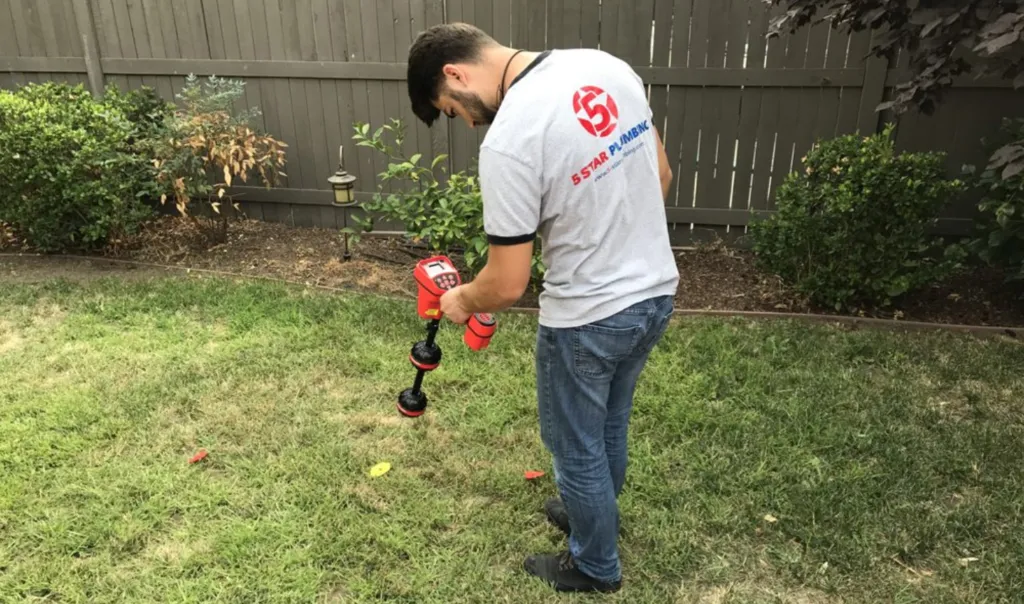
A hidden water leak can run for weeks before you notice the damage — but your water bill, your foundation, and your walls are keeping score the entire time. 5-Star Plumbing Inc uses acoustic, thermal, and electronic detection equipment to locate leaks inside walls, under slabs, and underground without tearing your home apart first. CSLB #1038276 — licensed in both general building (B) and plumbing (C36) since 2018.
How Do You Know You Have a Hidden Leak?
Water leaks don’t always announce themselves with a puddle on the floor. Most of the damage happens behind walls, under foundations, and in crawlspaces — places you can’t see until the problem is advanced. Look for these signs:
- A water bill that spiked without any change in your habits.
- The sound of running water when every fixture is turned off.
- Warm or hot spots on the floor — especially on a concrete slab (this often indicates a hot water slab leak).
- Water stains, bubbling paint, or soft drywall on ceilings or walls.
- Musty or mildew smell in rooms that shouldn’t be damp.
- Cracks in the foundation or flooring that appeared recently.
- Low water pressure that dropped gradually over weeks.
- Your water meter spinning when no water is being used inside.
Sacramento’s clay soil makes slab leaks particularly common. When the soil expands in the wet season and contracts in the dry season, it shifts foundations and stresses the copper lines embedded in or under the slab. If your home was built before the 1990s with copper under the foundation, you’re in the highest-risk category for slab leaks.
Every Leak Has a Source. We Find It.
Different leaks require different detection methods. Here’s how we approach the three most common types in Sacramento homes:
Slab Leaks
In-Wall and Ceiling Leaks
Underground and Yard Leaks
What to Expect — From Suspicion to Solution
Leak detection is only useful if it leads to a repair. We handle both — same crew, same visit whenever possible.
Initial Assessment
Non-Invasive Detection
Diagnosis & Options
Repair
Verification & Cleanup
Precision Equipment, Not Guesswork
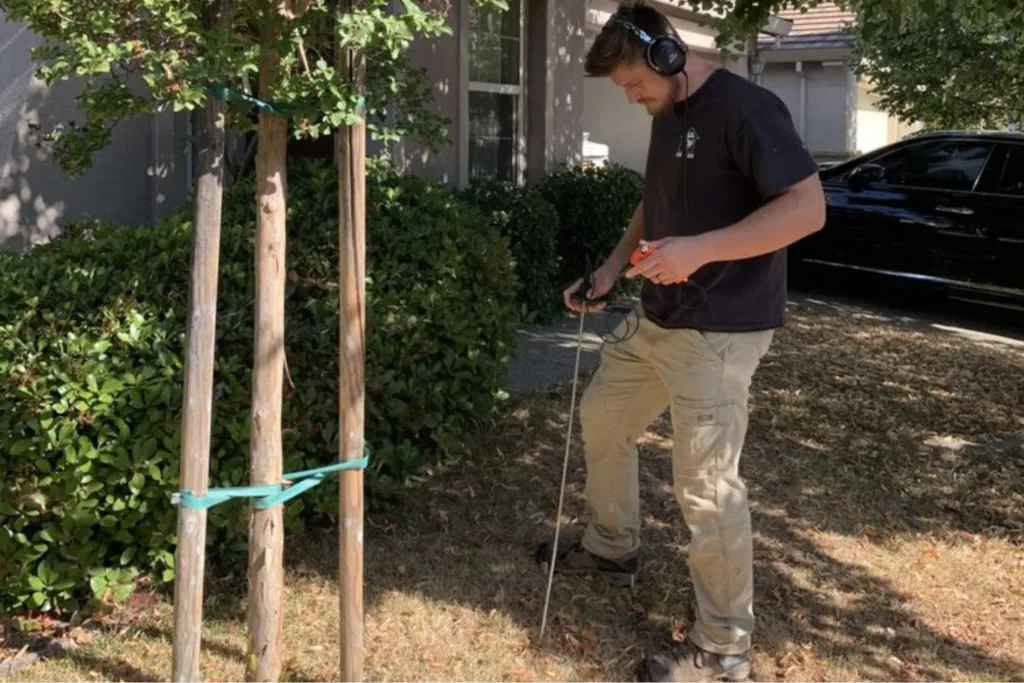
The reason to hire a professional for leak detection isn’t access to a wrench — it’s access to equipment that can see through walls and floors. Here’s what we bring:
Acoustic Listening Devices
Thermal Imaging Cameras
Electronic Line Tracing
Moisture Meters


Why Sacramento Homeowners Trust Us to Find Their Leaks
Detect and Repair, One Team
Non-Invasive First
Upfront Flat-Rate Pricing
Insurance Documentation
Financing & Referral Program

Flexible Payment Options



Our Referral Program
Flexible Payment Options
A Hidden Leak Shouldn’t Stay Hidden Because of Cost
The longer a leak runs, the more damage it causes — and the more the repair costs. Financing through Wisetack lets you address the problem immediately and pay in comfortable monthly installments.
- Loans from $500 to $25,000 — Covers detection, repair, slab work, and any rerouting needed.
- No Impact on Your Credit Score — Soft pull to check your options.
- Approval in Under 60 Seconds — Apply from your phone while we’re running the detection.
Leak Detection Questions — Straight Answers
- How can I tell if I have a slab leak?
The most common signs are a warm or hot spot on the floor (if it’s a hot water line), a water bill that jumped without explanation, the sound of running water when everything is off, or new cracks in the foundation. You can also check your water meter: turn off all fixtures and watch the dial. If it’s still moving, water is leaving your system somewhere.
- Will you have to jackhammer my floor to find the leak?
No. We use acoustic and thermal equipment to locate the leak through the slab without cutting into it. We only open the concrete at the precise leak point once we’ve confirmed its location — typically a small, targeted access hole, not a trench across your floor.
- Is it better to repair a slab leak or reroute the pipe?
It depends on the pipe’s overall condition. If it’s a single pinhole in otherwise good copper, a spot repair is usually the right call. If the pipe is thinning system-wide (common in pre-1990s Sacramento homes), a reroute above the slab avoids breaking concrete again next year. We’ll show you the pipe condition and explain both options honestly.
- Does homeowner’s insurance cover slab leaks?
Many policies cover the resulting water damage (wet drywall, damaged flooring, mold remediation) but not the plumbing repair itself. Some policies cover both. We provide detailed documentation of the leak — location, cause, photos, and repair description — so your adjuster has everything they need. Check your policy or call your agent before the repair if you want confirmation.
- How long does leak detection take?
Most residential leak detection visits take 1–2 hours. If the leak is in an accessible location (wall or exposed pipe), it’s often faster. Slab leaks and underground leaks may take longer because we’re working through concrete and soil. We don’t rush the process — accuracy matters more than speed.
- Can you detect leaks in pipes I can’t see?
Yes. That’s the entire point of professional detection equipment. We locate leaks inside walls, under concrete slabs, in crawlspaces, and in buried lines without needing visual access to the pipe. The equipment “sees” through the structure using sound, heat, and electronic signals.
- What if the leak is in the sewer line, not the water line?
Sewer leaks present differently — they typically cause odor, soggy soil, or slow drains rather than water bill spikes. If we suspect a sewer issue during detection, we run a camera inspection to confirm. We handle both water and sewer diagnostics in the same visit.
- Why are slab leaks so common in Sacramento?
Two reasons. First, many homes built from the 1950s through 1980s have copper water lines embedded in or running under the concrete foundation. Copper in contact with Sacramento’s alkaline soil and hard water corrodes over decades, developing pinholes from the outside in. Second, the clay soil expands and contracts seasonally, shifting the slab and stressing the pipes at every turn and joint.
- Do you repair the leak on the same visit, or do I need to schedule a second appointment?
Whenever possible, we detect and repair on the same visit. For straightforward wall or supply line leaks, same-day repair is standard. For slab leaks that require concrete cutting or a reroute, we may need to return with specific materials — but we’ll give you the repair quote on the spot so there’s no waiting for a second assessment.
Suspect a Leak? Every Day You Wait Costs More.
Call us 24/7 or request a quote online — same-day leak detection across Sacramento County.