

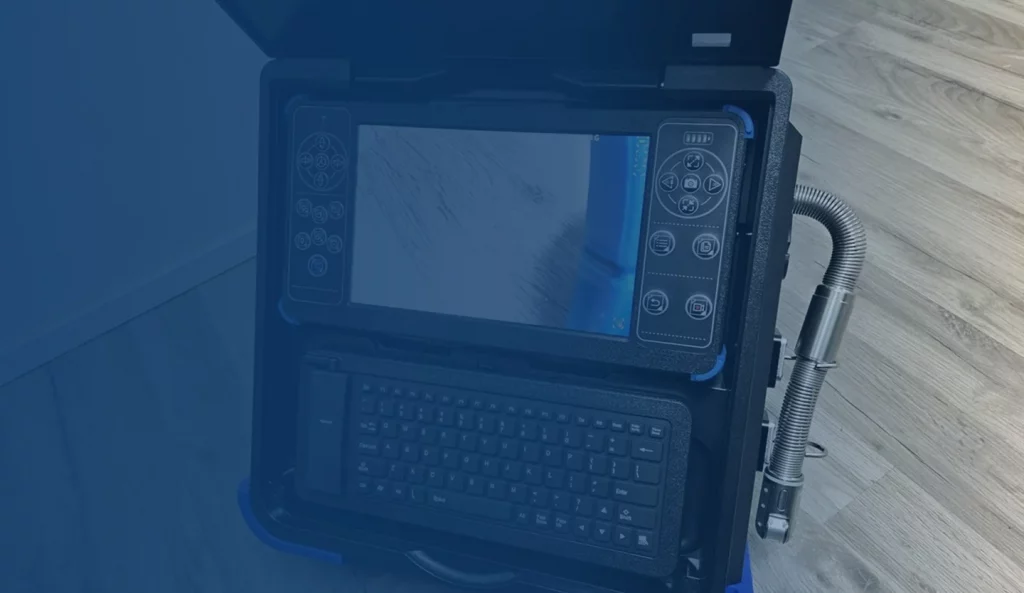

Sewer Line Camera Inspection in Sacramento County
When a drain keeps backing up or you’re about to buy a home, guessing what’s wrong with the sewer line is an expensive mistake. 5-Star Plumbing Inc. sends a high-definition camera down your main line and shows you exactly what’s happening inside the pipe, roots, cracks, bellies, and blockages, on a screen you watch with us. No digging to find out, no diagnosis you have to take on faith. CSLB #1038276, licensed in both general building (B) and plumbing (C36) since 2018.
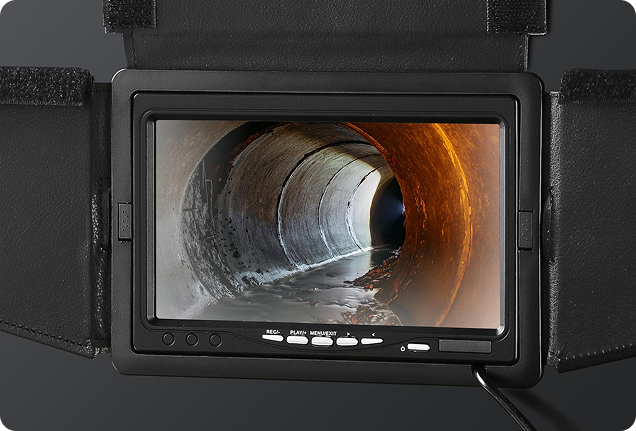
When It’s Time to Look Inside the Line
Most sewer problems are invisible until they back up into your home. A camera inspection turns guesswork into a clear picture of what’s actually going on underground. It’s worth doing when you’re dealing with any of these:
- Drains that back up again and again, no matter how many times they’re snaked
- A single slow drain that’s spread to multiple fixtures or the whole house
- Gurgling toilets or sewage smells you can’t trace to one spot
- You’re buying a home and want the sewer line checked before you close
- Water or sewage surfacing in the yard, or unusually green patches over the line
- An older home with clay or cast iron pipe you’ve never had inspected
- You’re planning a repair and want to confirm the problem before anyone digs
Sacramento has a lot of older housing stock with clay and cast-iron sewer laterals, and both are prone to root intrusion, cracking, and corrosion after decades in the ground. A camera inspection tells you whether you’re looking at a simple cleaning, a spot repair, or a full line replacement before you spend a dollar on the wrong fix. If you’re buying a home, it’s the difference between inheriting a five-figure sewer problem and knowing about it while you can still negotiate.
Reasons Homeowners Call for a Camera Inspection
A sewer camera earns its keep in a few specific situations. Here are the ones we get called for most in Sacramento.
Recurring Backups
Home Purchase Inspection
Before a Repair or Trenchless Job
How a Camera Inspection Works
No guesswork, no open-ended timelines. Here’s exactly what a sewer camera inspection looks like with 5-Star Plumbing.
Access the Line
Inspect on Screen, Together
Locate the Problem to the Foot
Explain What We Found
What the Camera Shows
A sewer camera doesn’t just confirm “there’s a clog.” It shows the specific condition of the pipe, which is what determines the right fix. Here’s what we’re looking for as the camera travels your line.
Root Intrusion
Cracks and Fractures
Offset Joints
Bellies (Low Spots)
Pipe Material and Condition


Why Sacramento Homeowners Trust Our Camera Inspections
You See What We See
Honest Diagnosis, No Upsell
Diagnosis and Repair Under One Roof
Pinpoint Location Before Anyone Digs
Financing & Referral Program

Flexible Payment Options



Our Referral Program
Flexible Payment Options
The Inspection Is the Cheap Part. Don’t Skip It.
A camera inspection is inexpensive on its own, and it’s included with our $99 Main Line Drain Cabling. What it can save you is the real money: catching a small root intrusion before it collapses a line or a belly before it floods a bathroom. And if the camera does find a bigger repair, financing through Wisetack lets you handle it now and pay in comfortable monthly installments.
- Loans from $500 to $25,000: Covers repairs, spot fixes, and trenchless line replacement.
- No Impact on Your Credit Score: A soft pull to check your options.
- Approval in Under 60 Seconds: Apply from your phone while we’re reviewing the footage with you.
Offer-строки (site-wide, как в прототипе): оставляем существующие (Any Plumbing Job 20% OFF, Senior 10%, Military & Veterans 10%, и особенно релевантный здесь Main Line Drain Cabling Only $99 (includes camera inspection, Clog-Free Guarantee)).
Sewer Camera Questions, Straight Answers
- How much does a sewer camera inspection cost?
On its own it’s an affordable diagnostic, and it’s included at no extra charge with our $99 Main Line Drain Cabling service. Compared to the cost of digging up a line to find a problem or inheriting an undiagnosed sewer issue after buying a home, it’s one of the cheapest bits of certainty in plumbing.
- Do I need a cleanout for you to run the camera?
A cleanout is the easiest access point, but it’s not the only one. If your home doesn’t have an accessible cleanout, we can often enter through a pulled toilet or another fitting. We’ll find the right access point when we arrive and let you know if anything about your setup changes the approach.
- Should I get a sewer inspection before buying a house?
It’s one of the smartest things you can do. A standard home inspection rarely includes the sewer lateral, and a failing line is one of the most expensive surprises a new owner can face. A camera inspection tells you the real condition of the pipe while you still have room to negotiate the price or ask the seller to handle it.
- Can the camera tell you exactly where the problem is?
Yes. The camera has a built-in transmitter, and we use a locator above ground to mark the exact position and depth of any problem area. That’s what makes a targeted repair possible, so if digging or boring is needed, it happens in one precise spot instead of across the whole yard.
- Will a camera inspection unclog my drain?
No, and that’s an important distinction. The camera is a diagnostic tool, it sees the problem but doesn’t clear it. For an active clog we cable or hydro jet the line first, then the camera confirms the pipe is clear and shows whether any underlying damage caused the backup in the first place.
- My drain keeps backing up even after snaking. Why?
That’s one of the most common reasons for a camera inspection. Repeated backups usually mean something structural the cable can’t fix, roots regrowing through a joint, a belly holding water, or a cracked or offset section. The camera finds the actual cause so the next repair solves it for good instead of resetting the clock.
Know Exactly What’s in Your Sewer Line
Call us 24/7 or request a quote online. Same-day camera inspection across Sacramento County, and it’s included with our $99 main line drain cabling.